Efficient Factory Designs for SMEs in Malaysia
- terra group

- Apr 28
- 3 min read
Small and medium-sized enterprises (SMEs) in Malaysia face unique challenges when it comes to factory design. Limited budgets, space constraints, and the need for flexibility require thoughtful planning. Efficient factory designs can help SMEs optimize production, reduce costs, and improve long-term value. In this post, I explore practical approaches to modern factory design tailored for SMEs, focusing on the Semenyih growth corridor as a strategic location.
Understanding Efficient Factory Designs for SMEs
Efficient factory design means creating a workspace that maximizes productivity while minimizing waste and downtime. For SMEs, this involves balancing cost-effectiveness with scalability. The design should support smooth workflows, easy maintenance, and adaptability to changing production needs.
Key elements include:
Layout optimization: Arrange machinery and workstations to reduce unnecessary movement.
Space utilization: Use vertical space and modular structures to maximize floor area.
Energy efficiency: Incorporate natural lighting, ventilation, and energy-saving equipment.
Safety and compliance: Ensure the design meets local regulations and safety standards.
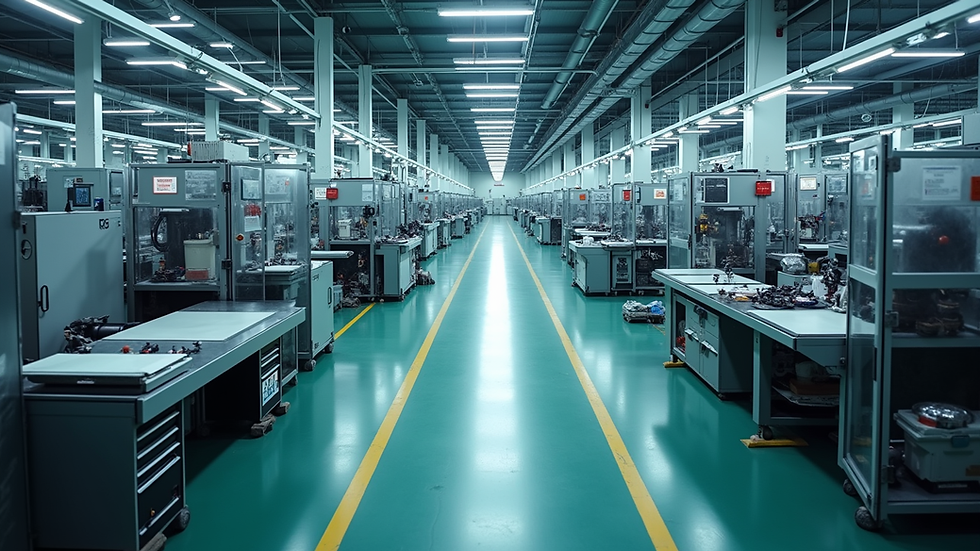
For example, a factory layout that groups related processes together can reduce material handling time. Using prefabricated steel structures allows quick expansion as the business grows. These choices help SMEs stay competitive and agile.
Strategic Location Benefits in Semenyih
Choosing the right location is critical for factory success. Semenyih offers several advantages for SMEs looking to establish or expand their operations:
Proximity to major highways: Easy access to Kuala Lumpur and other industrial hubs.
Growing industrial ecosystem: Presence of suppliers, logistics providers, and skilled labor.
Affordable land and facilities: Competitive pricing compared to city centers.
Government incentives: Support for industrial development in the region.
Locating a factory in Semenyih can reduce transportation costs and improve supply chain efficiency. It also positions SMEs to benefit from the area's ongoing infrastructure improvements and economic growth.
Key Design Features for Modern Factory Facilities
Modern factory design incorporates technology and innovation to enhance productivity. Some features to consider include:
Flexible floor plans: Use movable partitions and modular equipment to adapt to new products or processes.
Smart automation: Integrate sensors and control systems for real-time monitoring and quality control.
Sustainable materials: Choose eco-friendly building materials to reduce environmental impact.
Employee welfare: Design spaces with natural light, ventilation, and rest areas to improve worker comfort and efficiency.
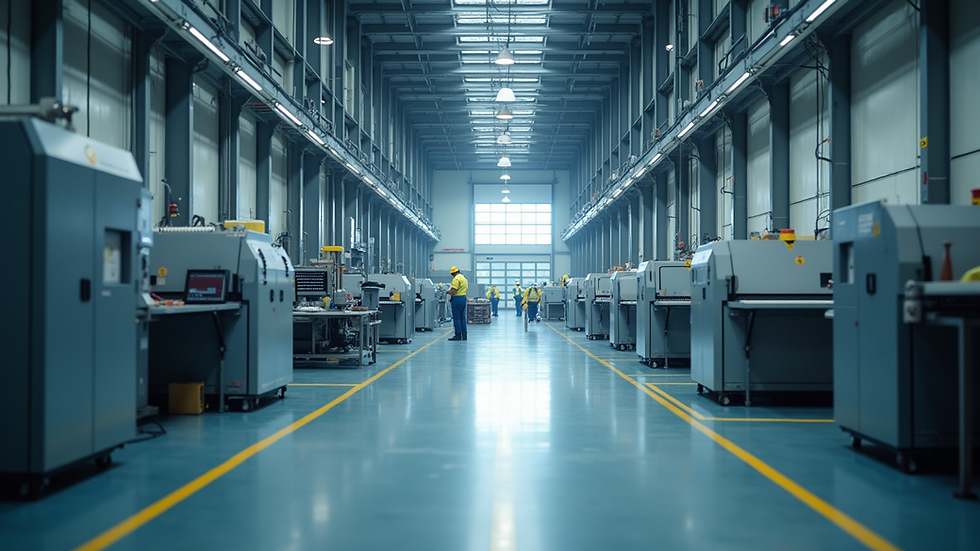
Implementing these features requires upfront investment but pays off through higher output and lower operating costs. For SMEs, prioritizing flexibility and sustainability can future-proof their operations.
Practical Steps to Implement Efficient Factory Designs
To apply efficient factory design principles, SMEs should follow a structured approach:
Assess current operations: Identify bottlenecks, space usage, and energy consumption.
Set clear objectives: Define goals such as increasing capacity, reducing costs, or improving safety.
Engage experts: Work with architects and engineers experienced in industrial design.
Plan for scalability: Design with future expansion and technology upgrades in mind.
Incorporate feedback: Involve employees in the design process to address practical needs.
Monitor and adjust: Use performance data to refine layout and processes continuously.
For example, a small manufacturing SME might start by reorganizing its assembly line to reduce walking distances. Next, it could invest in energy-efficient lighting and ventilation. Over time, the factory can add automation and modular workstations as demand grows.
Long-Term Value Through Integrated Factory Solutions
Investing in a well-designed factory contributes to long-term value. Integrated factory solutions combine location advantages, efficient design, and modern technology to create a competitive edge.
Semenyih Factory aims to be the top choice for businesses seeking such integrated solutions. By offering strategic location benefits and customizable factory designs, it supports SMEs in achieving operational excellence and sustainable growth.
Choosing a modern factory design for SME in this corridor means access to a supportive industrial ecosystem and facilities built for efficiency. This approach helps industrial owner-occupiers and investors secure strong returns and future-proof their assets.
Moving Forward with Factory Design in Malaysia
Efficient factory design is essential for SMEs to thrive in Malaysia's competitive industrial landscape. By focusing on layout optimization, strategic location, modern features, and scalability, SMEs can build factories that support growth and profitability.
The Semenyih growth corridor offers a promising environment for such developments. Industrial owner-occupiers and investors should consider integrated factory solutions that combine these elements for maximum impact.
Taking a measured, practical approach to factory design today sets the foundation for success tomorrow.


Comments